
Open source · Rust · MIT / Apache-2.0 · runs on a potato
Boxel edits boxels: voxels, upgraded, so every cube face can wear its own material, white up front, candy scramble on the sides. Built for indie devs, pixel artists going 3D, and anyone who bounced off Blender's UV unwrap or hit MagicaVoxel's one-color-per-cube ceiling. Model it, generate it, rig it, light it, ship it into Unity or Godot. Light enough to hold 60fps on a decade-old laptop, so it'll run fine on yours. No cloud, no subscriptions, nothing leaves your machine.
drag to orbit
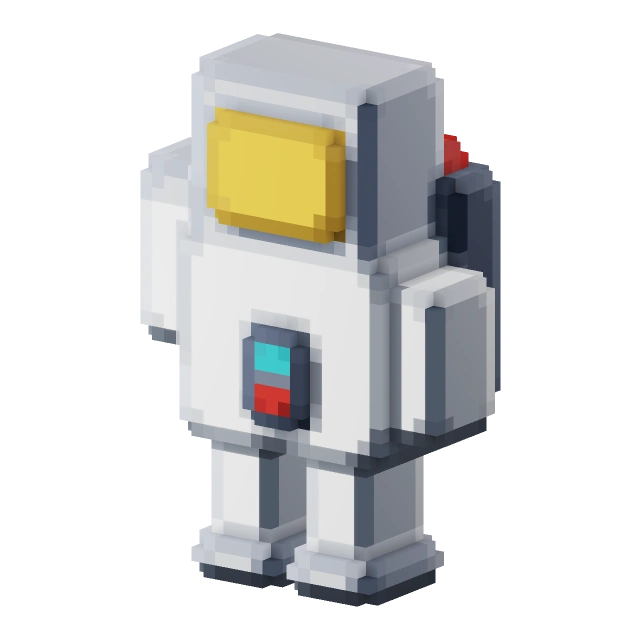
Not a screenshot. That's a live glTF export, rendered right here in your browser, the same file that drops straight into Unity or Godot.
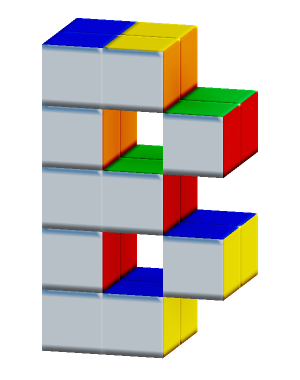
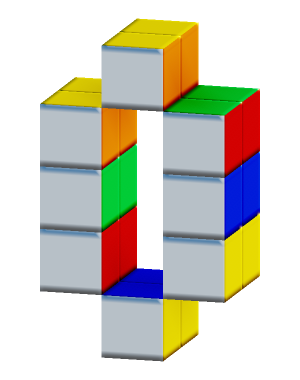
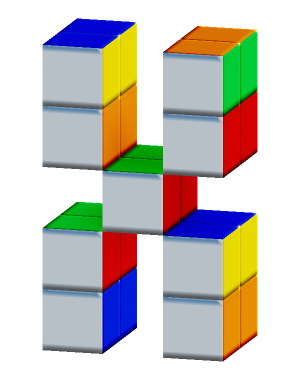
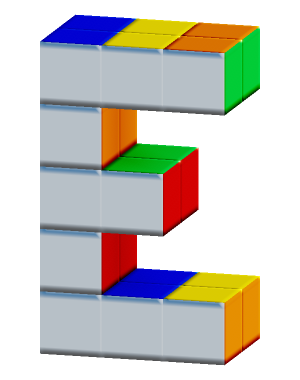
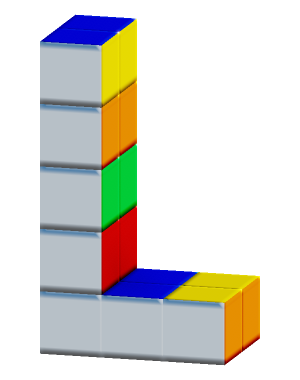
Yeah, the logo's boxels too. Every letter up there is the same six-face cube, just stretched into type. Watch the whole word build itself.
Why boxel
Not "another voxel tool." Four bets almost nobody else in this space is making, stacked into one editor.
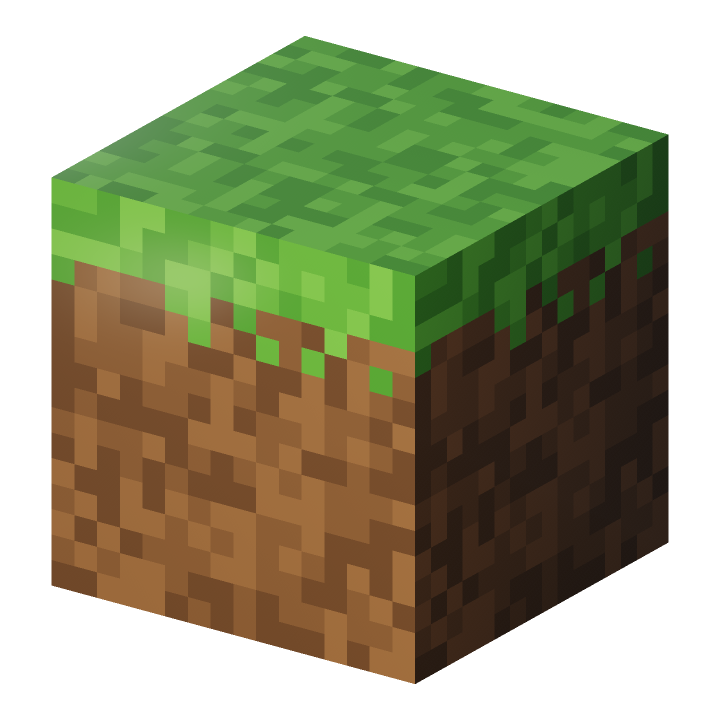
Grass on top, dirt on the sides, chrome on one face and matte everywhere else, all on the same grid a flat voxel tool uses. Per-face overrides are sparse, so a one-color boxel still costs exactly what a voxel costs.
A loopback HTTP server opens the moment the app does. Every edit, camera move, and screenshot is one call, so a script, or an AI agent, can build something, look at what it actually made, and fix its own mistakes.
2.8M voxels, culled and streamed, holding 60fps on a 2014 AMD APU: the kind of chip every "runs great" tool quietly assumes you don't have. A school laptop or a Steam Deck on battery is home turf here, not an edge case.
MIT or Apache-2.0, your choice. No account, no cloud round-trip, no subscription tier. Clone it, build it, it's yours, and nothing you make ever leaves your machine unless you ship it.
What's a boxel?
One cube, six materials, white face forward, candy scramble everywhere else. Scale it up and every shared corner still reads three clean colors. That's not luck, that's the whole pitch.
Minecraft's grass block is secretly a boxel: grass tops, dirt sides, same cubes.
Never touched voxels? A voxel is a 3D pixel. one colored cube on a grid. Stack a few thousand and you get Minecraft. Every model on this page is just cubes.
A voxel is one cube, one color. A boxel is one cube whose six faces each wear their own material: one white face for the read, a candy-colored scramble on the rest.
One cube, six faces, six materials. That's the whole pitch, distilled into a logo.
Grass on top, dirt on the sides, no split cubes. Per-face overrides are sparse, so a one-color boxel costs exactly what a voxel costs. You only pay for the faces you paint. Import your MagicaVoxel art, then do the face and rect tricks flat voxels can't. Metal, glass, emissive: all on one cube. Voxel++, basically.
Everything in one tool
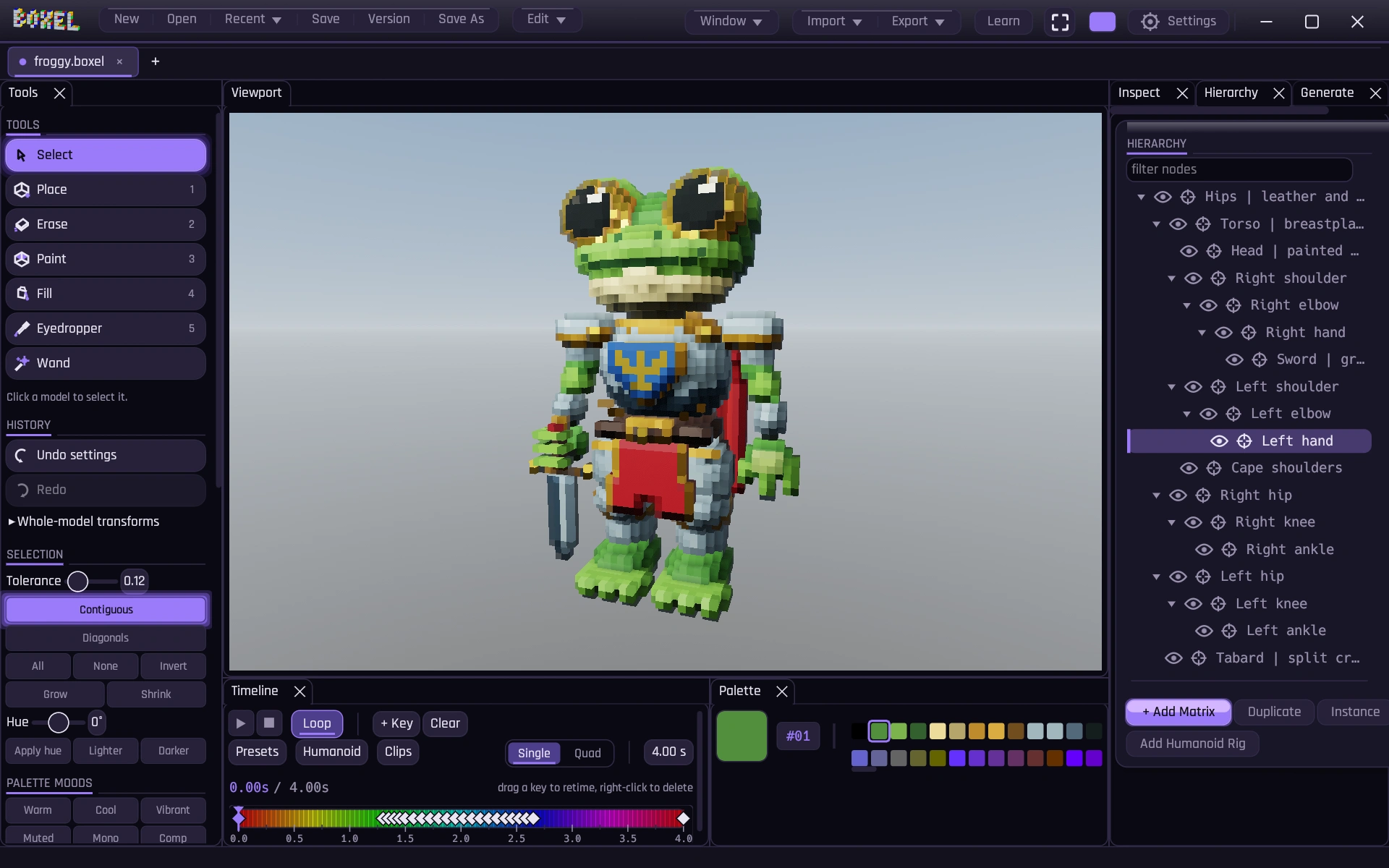
One tool for the whole pipeline, so nothing has to round-trip through three other apps just to end up modeled, generated, rigged, lit, and exported.
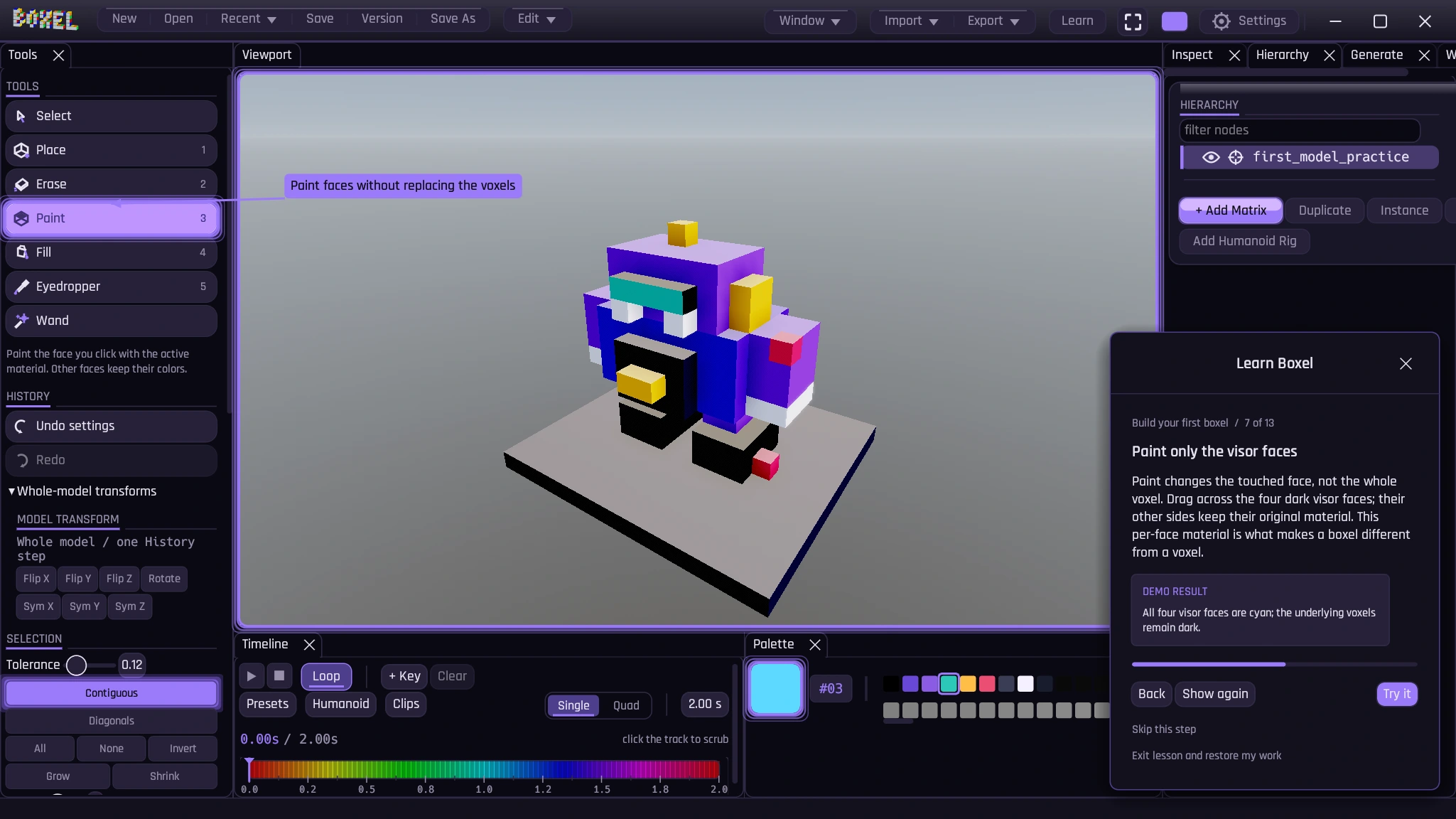
Left-drag builds, right-drag orbits. That's the whole tutorial. Extrude, paint faces, sculpt, mirror, flood-fill. Undo on all of it.
Terrain, caves, dungeons, mazes, forests, gyroid lattices, knots. One click each. Worlds stream in chunks and hold millions of voxels without a hiccup.
Linear HDR, bloom in the right order, one ACES tonemap at the end. Emission glows in color instead of clipping to white. (We learned that one the hard way.)
glTF / GLB with albedo, baked normal and emissive maps, so they drop into Unity or Godot and it just blooms. Plus .vox, OBJ, STL, sprite sheets and GIF turntables.
Keyframes plus procedural rigs. One click drops a jointed humanoid; pick Walk and it walks. This one's doing it right now. Bakes to glTF animation channels.
Every edit, camera move and screenshot is a loopback HTTP call. Script it, or point an agent at it, and it can build, look at what it made, and fix its own mistakes.
How deep it goes
Every entry below is a shipped feature, not a roadmap wish. One click drops a whole matrix, and everything stays editable after the fact.
Also in the box
MagicaVoxel .vox import and export. Bring your old art, leave anytime
Palette moods: warm, cool, vibrant, mono, comp recolors in one hit
Non-destructive CSG: union, carve, intersect live shapes, then change your mind
Selection wand with fuzz, grow/shrink, hue-band matching
Voxelize any mesh: OBJ / STL in, solid or shell, vertex colors kept
HDRI lighting: drop in an environment map, get real reflections
Form-shade & cavity AO bakes: tonal depth without touching your palette
Prompt-to-voxel with a local model. No metered API, no cloud round-trip
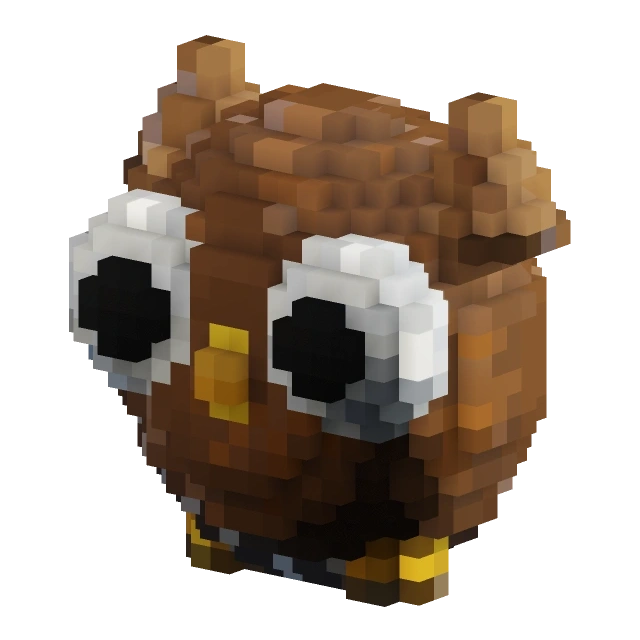
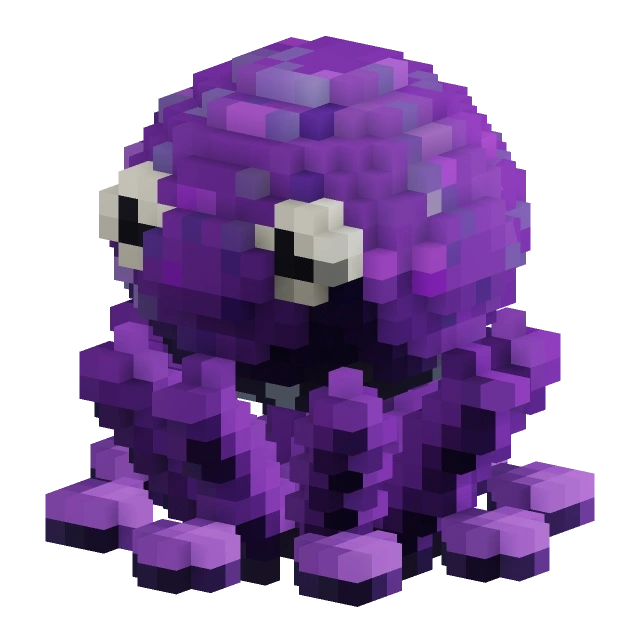
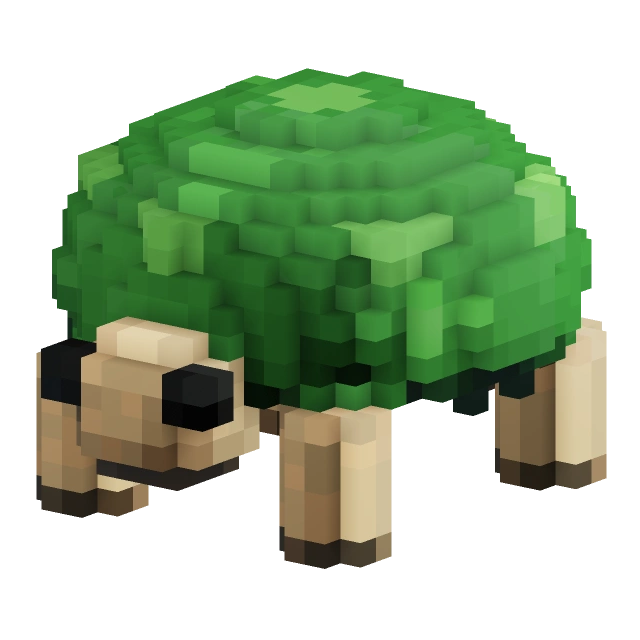
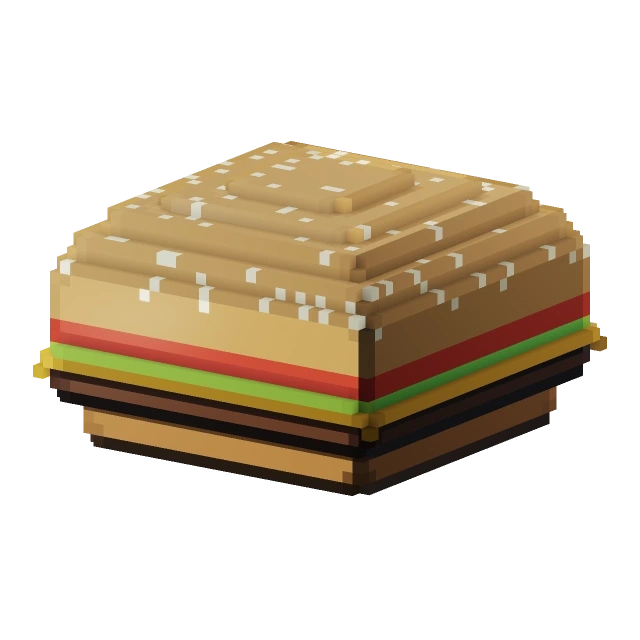
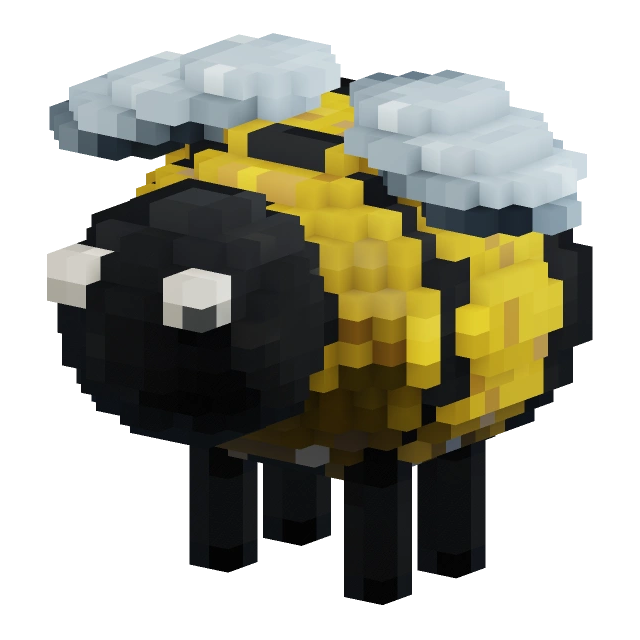
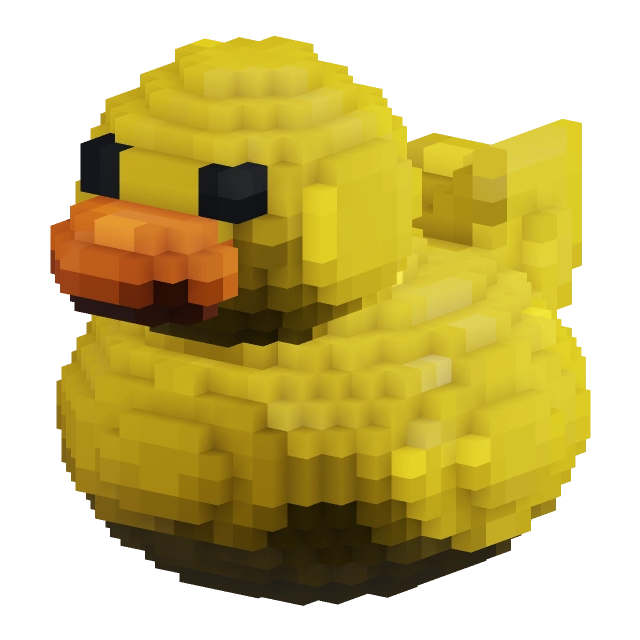
Turntable exports: sheets and GIFs, like every critter on this pageWho it's for
Export glTF/GLB with baked albedo, normal, and emissive maps. Drop it in Unity or Godot and it just blooms, no manual material setup.
Import your MagicaVoxel .vox straight in. Same cube grid you already think in, now with six faces instead of one color.
Left-drag builds, right-drag orbits. No UV unwrapping, no node graphs, no forty-minute onboarding video before your first cube.
A decade-old laptop holds 60fps in a 2.8M-voxel world. No RTX card required, no subscription tier gatekeeping the good export formats.
Point an agent at the HTTP control API and it can build, screenshot itself, and self-correct. Prompt-to-voxel runs on a local model, no metered API.
Quick start
cargo run --release -p boxel. A Rust workspace, builds local, no installer, no account.
Left-drag places cubes. Right-drag orbits. Scroll zooms, F frames your model, hold RMB + WASD to fly. That's the tutorial.
Pick a color, Paint does faces, Fill does regions. Or skip to the Generate tab and one-click a terrain, tree, or dungeon to mess with.
Export → glTF and drop it in Unity or Godot with materials intact. Or .vox, OBJ, STL, a sprite sheet, a spinning GIF like the critters above.
Made in Boxel
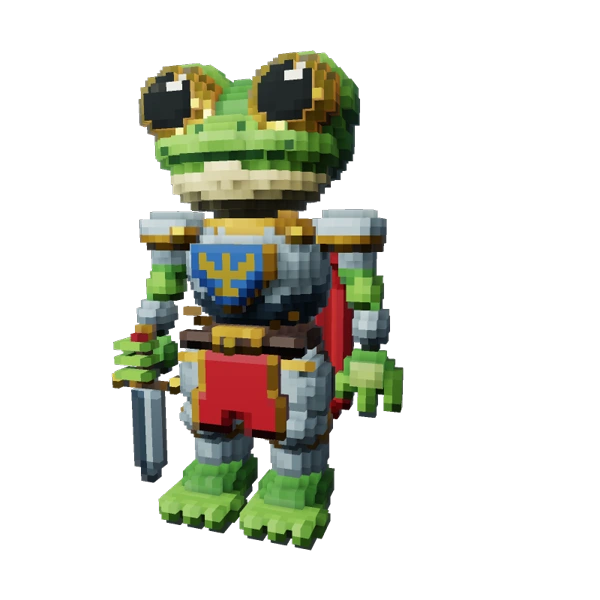
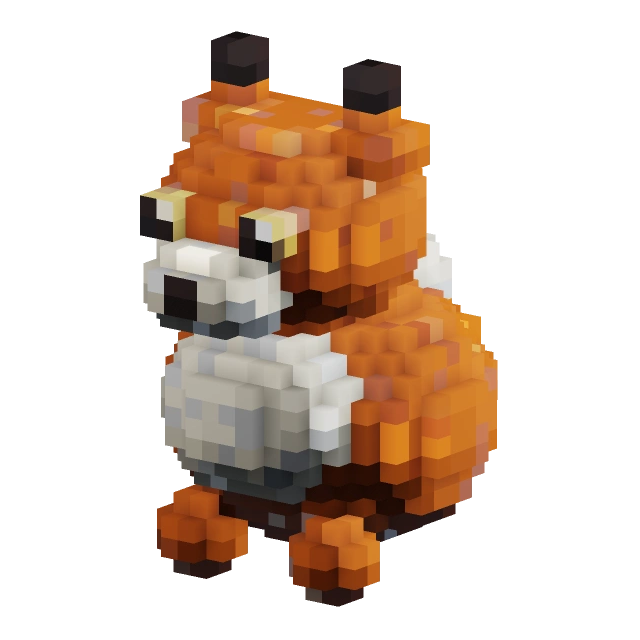
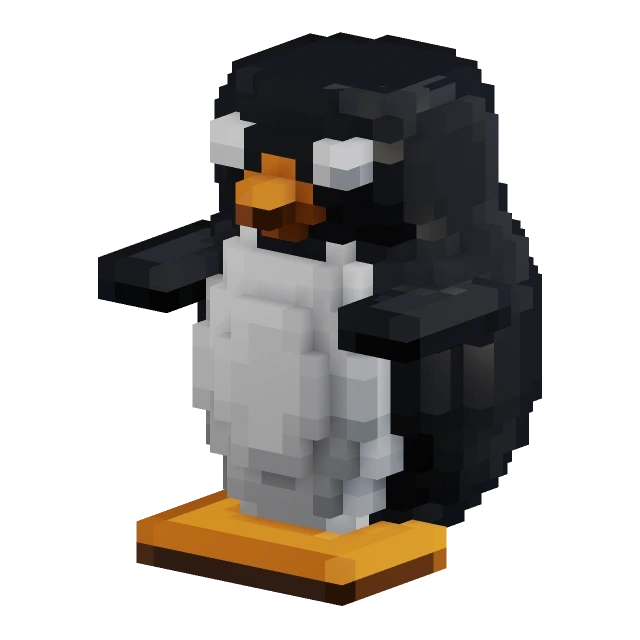
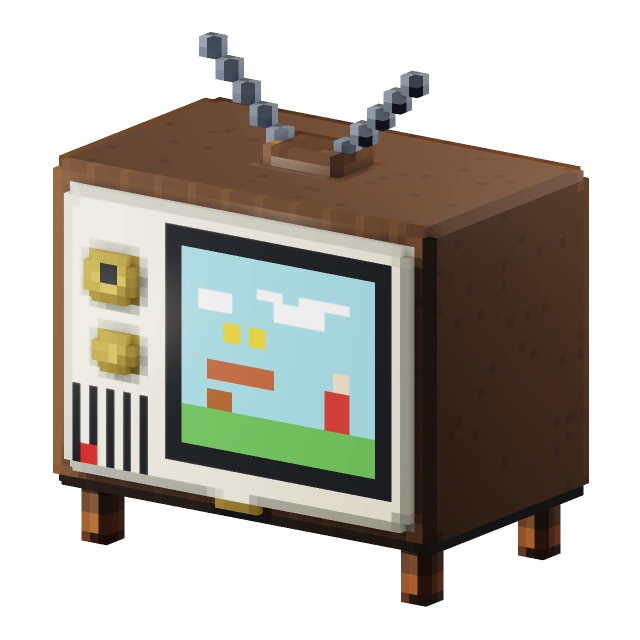
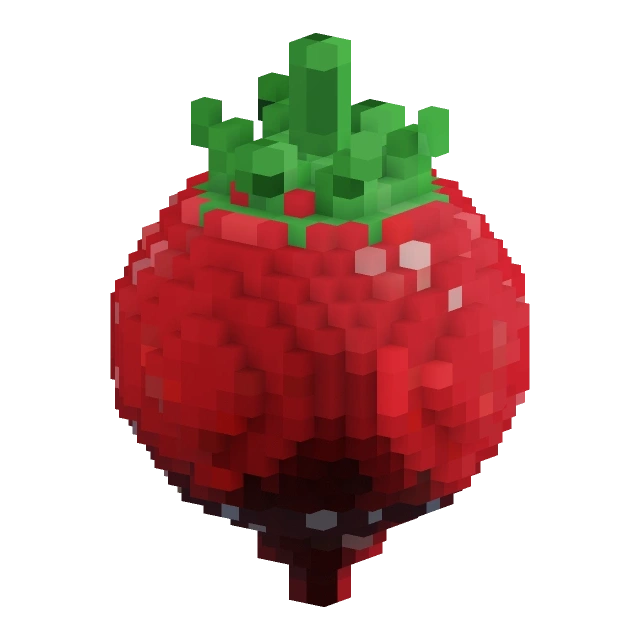
Modeled, lit, and exported in-app. Each one ships with its editable .boxel file, so you can open it up and mess with it yourself.
drag to orbit
drag to orbit
Get it
The repo is still private while Boxel is rough around the edges. Downloads land with the first public release. Early builds and the dev log show up in the Discord first.